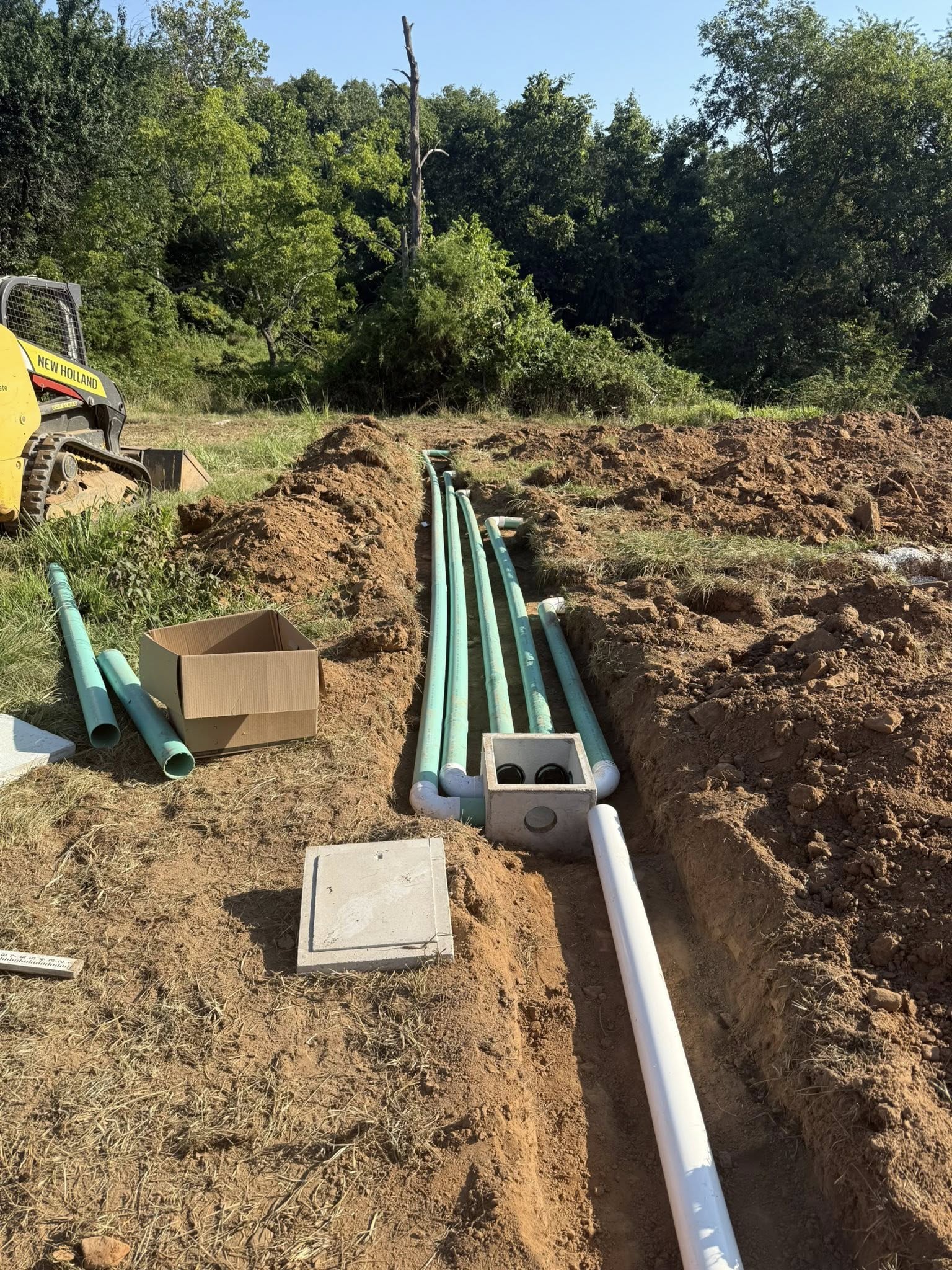
Boyd Septic & Utility LLC's Top Tips for Improving Septic System Longevity May 05, 2026
Firstly, routine septic system inspections and pumping are non-negotiable. Regular check-ups typically once every three years, or more frequently if necessary, ensure that your system is working efficiently. Inspections allow professionals to detect problems early, such as leaks or clogs, and to address them before they escalate into costly repairs. Pumping removes accumulated sludge and scum, preventing overflow and system backups. This regular maintenance is crucial for optimal septic functioning and should not be overlooked.
Next, mindful water usage significantly impacts septic system health. Excessive water use can overwhelm the system, leading to potential flooding or even complete system failure. Spread out laundry days, use water-efficient fixtures, and repair leaks promptly to manage water flow into the system. By conserving water, you reduce the stress on your septic tank, which in turn prolongs its life.
Thirdly, avoid disposing of harmful substances down your drains. Chemicals such as paints, solvents, and oils can damage the bacterial balance within your septic system, which is necessary for breaking down waste. Similarly, non-biodegradable items like diapers, wipes, and sanitary products can cause blockages as they do not decompose, leading to backups. Always dispose of these items in the trash rather than flushing them, protecting the integrity of your septic system.
Landscaping also plays a vital role in maintaining your septic system. Ensure that your drain field is free from trees and shrubs whose roots could infiltrate and damage pipes. Grass is the ideal cover for drain fields because it helps prevent erosion without obstructing the system. Furthermore, avoid placing heavy structures or parking vehicles over the drain field to prevent soil compaction and potential damage to underground components.
Educating your household members about septic system care can make a substantial difference. Inform everyone about what can and cannot be flushed or drained and encourage habits that conserve water. The collective effort in maintaining septic-friendly habits is essential for preventing unnecessary system strain and fostering longevity.
Moreover, for those utilizing garbage disposals, use them sparingly. While convenient, they significantly increase the solid waste load in your septic tank. This accelerated accumulation of solids can necessitate more frequent pumping. Consider composting vegetable scraps instead, which is not only environmentally friendly but also beneficial for your tank.
Lastly, septic system improvements like installing effluent filters can add an extra layer of protection. These filters enhance the system’s efficiency by keeping solid waste out of the drain field, thereby reducing clog risks and promoting a longer system life.
In conclusion, a proactive approach to septic system care is key to its longevity. At Boyd Septic & Utility LLC, we are committed to providing you with the best professional advice and services for your septic needs. Through regular maintenance, mindful usage, and preventive measures, you can ensure that your septic system remains reliable for years to come. For expert assistance, do not hesitate to reach out to our team; we are here to support you with all your septic system queries and concerns.
/filters:no_upscale()/filters:format(webp)/media/e31fa269-42fb-411f-b697-4ea561eb4a7e.jpeg)