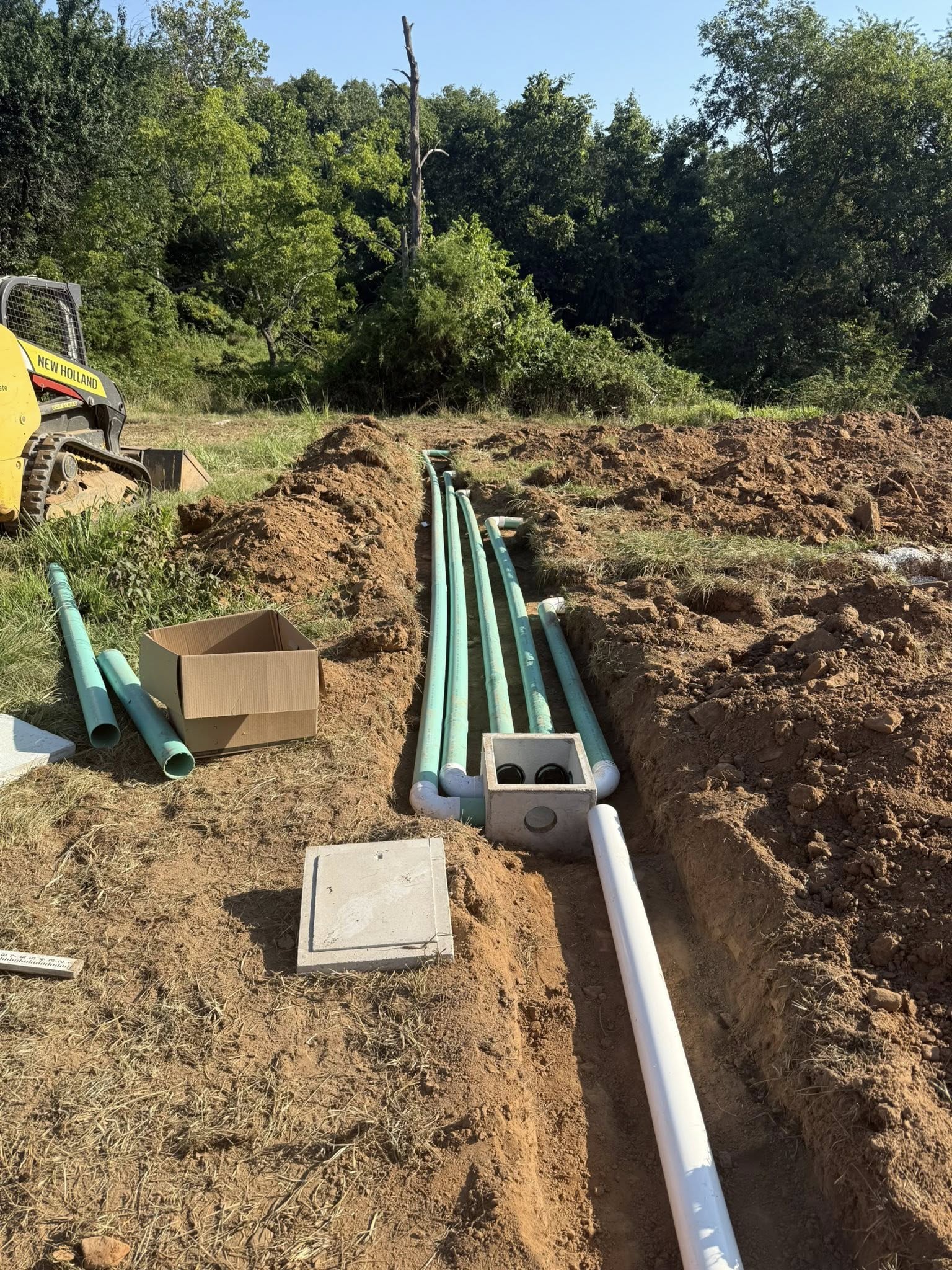
How Seasonal Weather Patterns Affect Your Septic System Jun 01, 2026
Spring typically brings rain and thawing snow, increasing groundwater levels. This influx can saturate the soil around your septic system's drain field, compromising its ability to effectively absorb wastewater. When the drain field is saturated, wastewater may not filter properly, leading to potential backups and contamination. As a homeowner, scheduling regular inspections and maintenance during spring can help you identify any saturation issues early. Testing soil moisture and ensuring that drainage paths are clear can prevent these common springtime issues.
Summer's high temperatures often lead to increased water usage due to activities like watering lawns, filling pools, or running air conditioning units, which expel excess water. This spike in usage can strain your septic system, potentially causing it to exceed its processing capacity. Staggering water-heavy activities and fixing leaks promptly can alleviate some of this stress. Checking for signs of stress, like slow drains or standing water near the drain field, is crucial in summer.
Autumn usually presents a reprieve in terms of water capacity stress, as water usage tends to normalize post-summer. However, falling leaves and increased organic debris can clog filters and pipes. It is wise to implement a regular schedule to remove leaves and debris from around your septic tank and drain field. Additionally, consider having your septic system inspected in fall to ensure everything is functioning effectively before the ground freezes in winter.
Winter introduces a unique set of challenges for your septic system. Freezing temperatures can solidify the ground, making it difficult for wastewater to flow through the system. Pipes and tanks might freeze, potentially causing cracks and leaks. To prevent this, ensure that tanks are insulated and all outdoor pipes are properly buried below the frost line. An extra layer of mulch or straw over the drain field can also help insulate the system. Ensure that guests during holiday gatherings are informed about not overusing water systems in the house to prevent overloading.
In conclusion, throughout the year, the key to a healthy septic system lies in routine maintenance and seasonal adaptation. By understanding and anticipating how weather patterns affect your system, you can prevent costly repairs and ensure smooth operation. At Boyd Septic & Utility LLC, we are dedicated to providing guidance and professional services to help maintain your septic system. Regular inspections and timely interventions can extend the life of your system and protect your property from unwanted surprises. If you reside in an area with extreme weather conditions or have noticed signs of stress in your septic system, it is advisable to reach out to septic professionals who can provide tailored solutions for your system's specific needs. By taking these proactive steps, you can effectively manage the seasonal impacts on your septic system and enjoy peace of mind year-round.
/filters:no_upscale()/filters:format(webp)/media/e31fa269-42fb-411f-b697-4ea561eb4a7e.jpeg)