Navigating the Complexities of Septic System Permitting: A Homeowner's Guide Jun 02, 2026
Septic systems are essential for homes that are not connected to municipal sewer lines, but setting them up involves more than just technical know-how. Each municipality has specific regulations on how these systems should be installed and maintained. Obtaining a septic system permit is a crucial first step in this process, ensuring compliance with health and safety standards.
The permitting process begins with understanding local regulations. Different counties or towns may have varying requirements for septic systems based on environmental factors. Before you start planning, consult with your local health department. They can provide detailed information on site-specific rules and regulations to prevent any legal issues down the road.
Next, you’ll need to assess your property to determine its suitability for a septic system. This typically requires a soil test to evaluate drainage capabilities. A percolation test, or “perc test,” is conducted to see how quickly water is absorbed by the soil. This test is essential, as it helps determine the size and type of septic system suitable for your land. Our team at Boyd Septic & Utility LLC can guide you through this testing phase, ensuring accuracy and compliance with all necessary standards.
Once the site is assessed, detailed plans outlining the size and location of the septic system are prepared. These plans must be submitted to local authorities for approval as part of your permit application. Ensure that these plans include information about the potential impact on groundwater and surrounding ecosystems, as these are often considered by regulatory bodies.
Missing details or incorrect information can lead to permits being rejected, so it’s crucial to get this stage right. Boyd Septic & Utility LLC can provide expert assistance in preparing and reviewing your plans to avoid unnecessary delays or rejections.
After submitting your application, there might be an inspection stage where local authorities assess your property and proposed plans in person. This site visit ensures that the location and conditions are conducive to septic system installation. Be prepared for some back-and-forth during this phase, as inspectors may request additional changes or documentation.
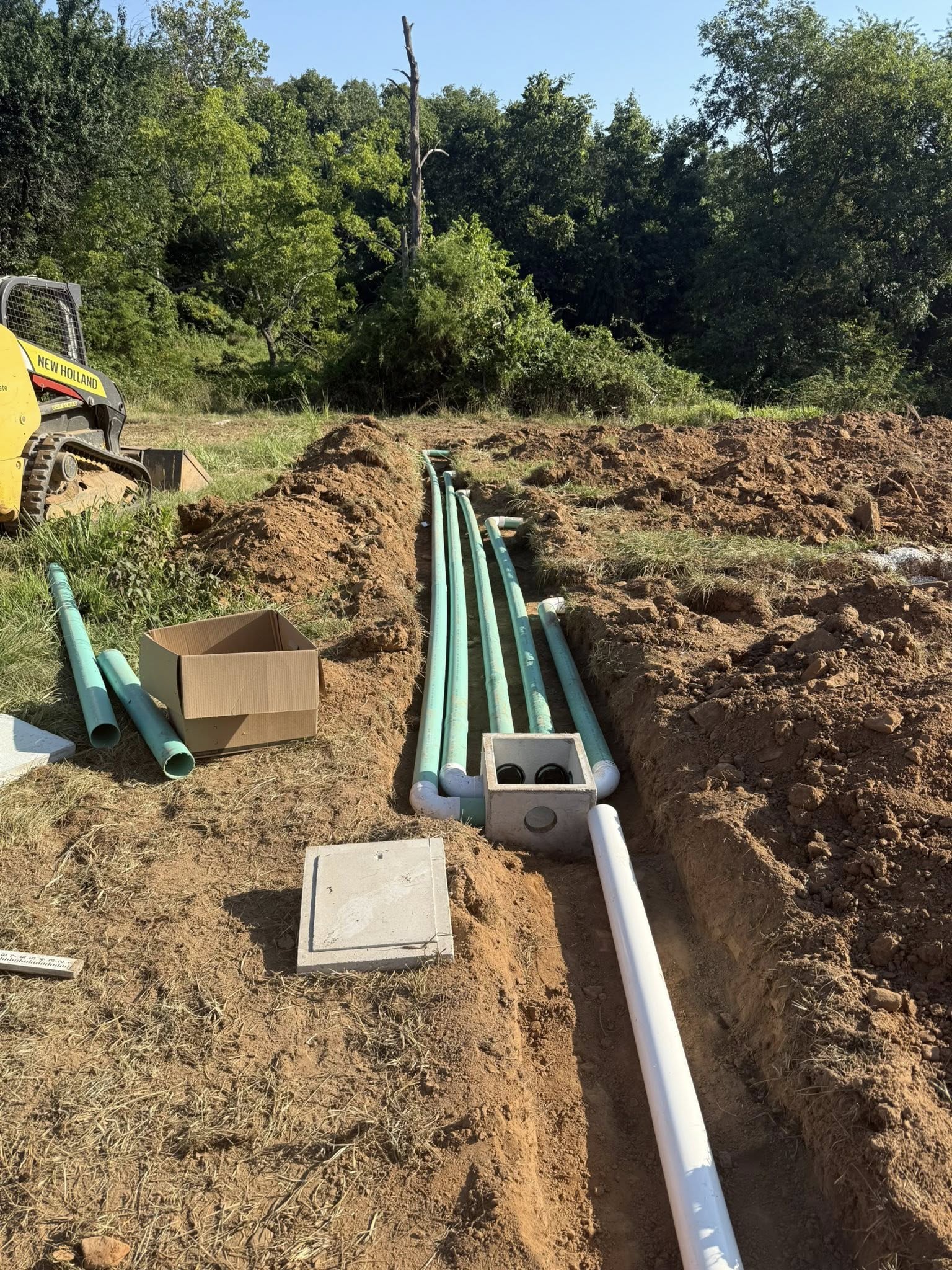
Following approval, you can proceed with installing your septic system. Remember that proper installation is key to the system’s long-term efficiency. To ensure compliance with the initial permit conditions, it’s recommended to work with licensed professionals who understand the complexities involved. Boyd Septic & Utility LLC has extensive experience in executing these installations with precision and compliance in mind.
In conclusion, while managing septic system permitting might seem overwhelming, understanding the key steps and regulations will demystify the process. Always start by researching local regulations, conducting thorough site assessments, and preparing detailed plans. By following these guidelines and partnering with knowledgeable professionals like those at Boyd Septic & Utility LLC, you can navigate the permitting process with confidence and ease. Remember, a compliant septic system not only protects your property but also contributes to the preservation of your local environment.
/filters:no_upscale()/filters:format(webp)/media/e31fa269-42fb-411f-b697-4ea561eb4a7e.jpeg)