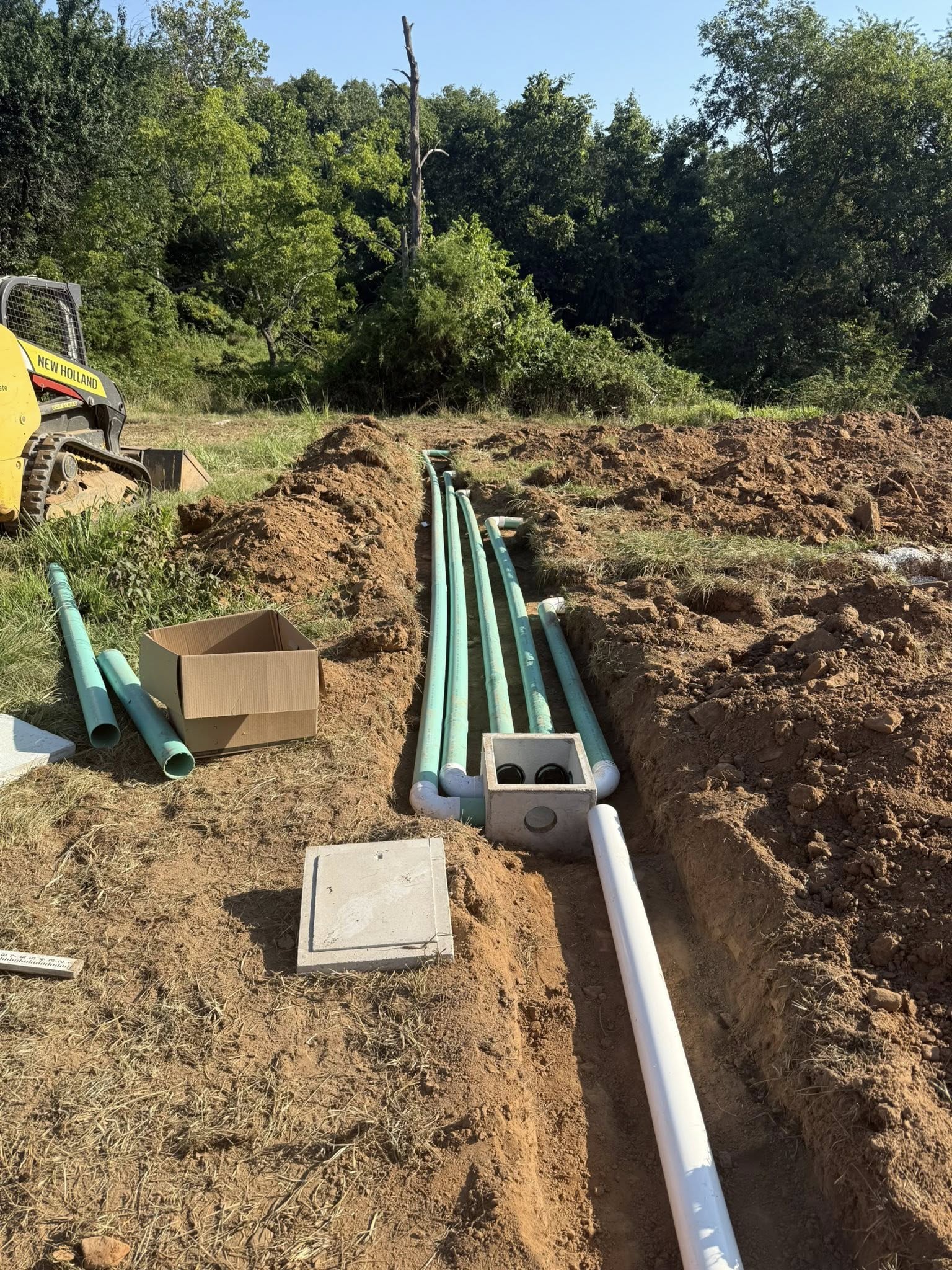
Septic System Design: Tailoring Solutions for Diverse Landscapes May 24, 2026
The varied landscapes across our service areas require customized septic system designs. From rolling hills to flat plains, each type of terrain presents specific challenges and opportunities. Understanding the soil type, water table levels, and natural drainage patterns is vital in developing a system that fits seamlessly with the environment. Proper design helps in minimizing environmental impact and maximizing efficiency.
One of the first steps in designing a septic system is conducting a thorough site evaluation. This involves assessing the landscape's characteristics, including soil composition and percolation rates. Sandy soils, with their excellent drainage capabilities, require different considerations compared to clay soils, which tend to retain water. Knowledge of these soil types informs decisions on the size and type of the septic tank and the layout of the drainage field.
In regions with high water tables, or where flooding is a concern, elevated systems or advanced treatment options may be necessary. These systems prevent wastewater from contaminating groundwater by providing additional filtration or raising the drain field above the seasonal high water mark. Boyd Septic & Utility LLC often recommends mound systems or sand filters in such scenarios to ensure safe and effective wastewater treatment.
For properties located in hilly areas, gravity can be both an ally and a challenge. Systems designed to utilize gravitational flow can reduce energy consumption and improve longevity. However, steep slopes may require additional engineering to prevent runoff problems and erosion, calling for reinforced tank materials and strategically designed leach fields.
Sustainability is another essential consideration in septic system design. Choosing the right size system is crucial not only for performance but also for minimizing environmental footprints. Installing a system that is too large for its intended use wastes resources, while an undersized system may become overburdened and fail prematurely. Our team at Boyd Septic & Utility LLC ensures that each design offers balance and sustainability, tailored to the specific needs of your property.
Another key aspect of a successful septic system design is regulatory compliance. Septic systems must meet local health and environmental regulations, which can vary significantly from one jurisdiction to another. Boyd Septic & Utility LLC ensures all projects comply with these regulations, incorporating best practices and the latest technologies to meet or exceed required standards.
After installation, proper maintenance becomes critical to the system's long-term functionality. We provide clients with guidelines and recommendations for regular inspections and maintenance strategies. This proactive approach not only extends the system's life but also minimizes the potential for costly repairs or replacements.
In conclusion, the key to effective septic system design lies in understanding the unique characteristics of the landscape and tailoring solutions accordingly. Boyd Septic & Utility LLC takes pride in offering customized, sustainable solutions that seamlessly integrate with the natural environment. By prioritizing site-specific designs, regulatory compliance, and ongoing maintenance, we help ensure efficient wastewater management for years to come. Contact us today to explore how our tailored septic system designs can serve your property's needs.
/filters:no_upscale()/filters:format(webp)/media/e31fa269-42fb-411f-b697-4ea561eb4a7e.jpeg)