Septic System Lifespan: How Long Should Yours Last? Feb 16, 2026
Septic systems are designed to last a significant amount of time, typically ranging from 20 to 30 years, with proper maintenance playing a key role in their longevity. The lifespan of your septic system can depend on several factors, including the design and materials used, the frequency of maintenance, and the level of usage. Understanding these factors can help you extend the life of your system and avoid costly repairs or replacements.
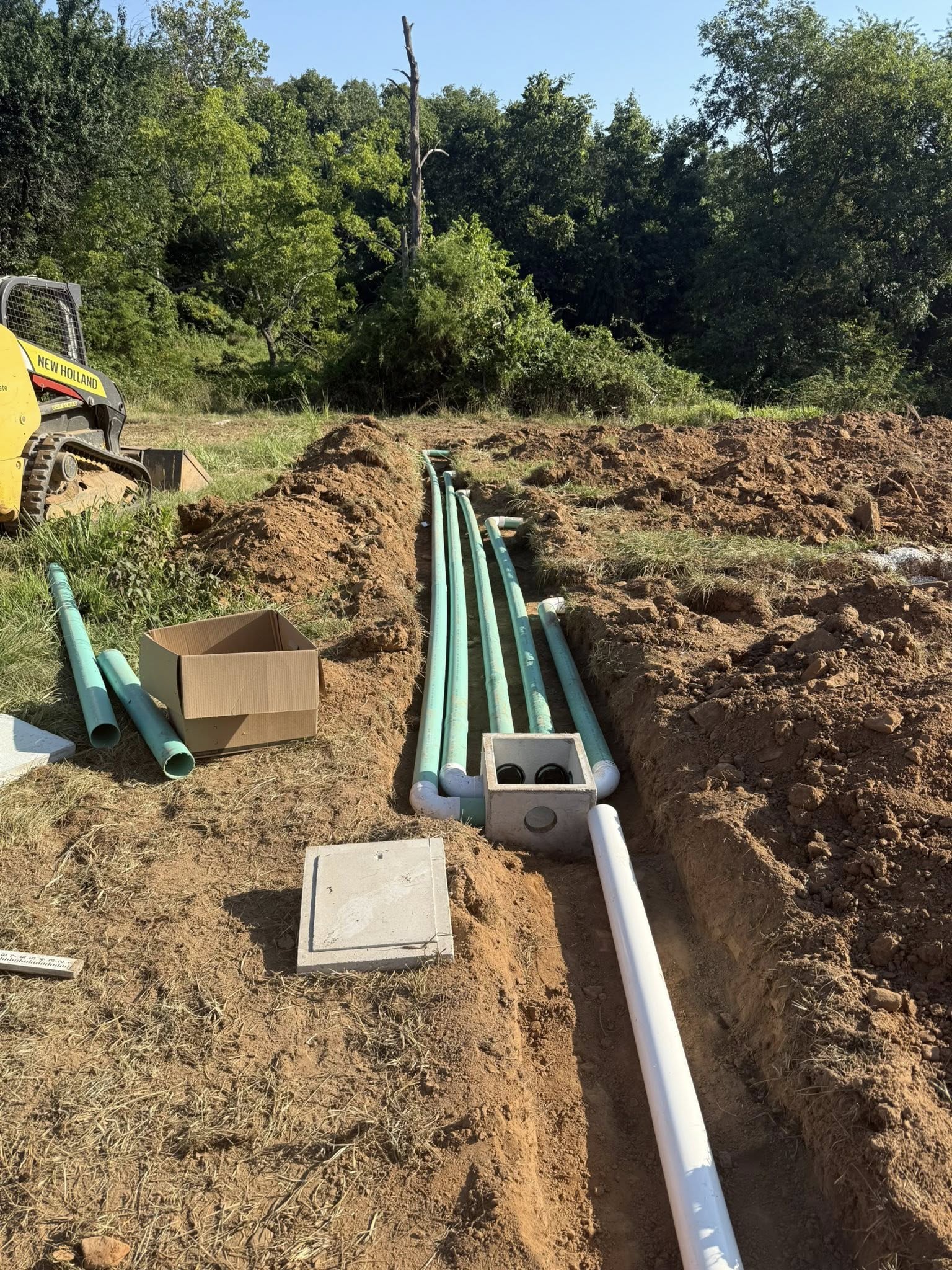
One major factor influencing the lifespan of a septic system is the quality of its installation. Collaborating with experienced professionals like Boyd Septic & Utility LLC ensures that your system is installed correctly from the beginning. Poor installation can lead to premature failures, which are often expensive to rectify. Therefore, investing in skilled service providers can be beneficial in the long run.
Another vital aspect is the materials used in constructing the septic tank and other components. Septic tanks are commonly made from concrete, fiberglass, or plastic. Each material has its own strengths and weaknesses; however, concrete tanks are known for their durability and longevity, often lasting over 40 years with appropriate care. Fiberglass and plastic tanks are generally more susceptible to damage but can still offer a respectable lifespan if properly maintained.
Maintenance is pivotal in extending the life of your septic system. Regular inspections and pumpings are crucial for identifying potential issues before they escalate. Boyd Septic & Utility LLC recommends having your tank inspected at least every three years and pumped when necessary. Proper maintenance also includes mindful use; avoiding flushing non-biodegradable items, managing water usage, and steering clear of harsh chemicals can prevent unnecessary strain on the system.
The level of usage can significantly impact how long your septic system lasts. Households with higher water usage or larger families may place more strain on the system, possibly reducing its lifespan. Being conscious about water conservation and mindful of what goes down the drain can significantly mitigate stress on the system, thus prolonging its operational life.
Environmental factors can also play a role in the longevity of your septic system. Soil quality, groundwater tables, and surrounding vegetation can all influence how well your system functions over time. Regular assessments by qualified technicians, such as those from Boyd Septic & Utility LLC, can help identify environmental considerations that may impact system performance.
In conclusion, while the average septic system lifespan is between 20 and 30 years, achieving the upper end of this range requires careful attention and maintenance. By selecting quality installation services, conducting regular maintenance, and being mindful of system usage, homeowners can significantly extend the life of their septic systems. Boyd Septic & Utility LLC is dedicated to helping customers maximize their septic systems' potential through expert advice and services, ensuring every system functions effectively and efficiently for as long as possible. Understanding these principles can save time, effort, and money in the long journey of homeownership.
/filters:no_upscale()/filters:format(webp)/media/e31fa269-42fb-411f-b697-4ea561eb4a7e.jpeg)